Non Woven Bag Printing Machine Installation, Acceptance & Warranty FAQ
Non Woven Bag Printing Machine Installation, Acceptance & Warranty FAQ
A non woven bag printing machine becomes a productive asset only when installation, acceptance and after-sales terms are defined before the machine arrives. For importers and distributors planning repeat production, the practical answer is to treat the purchase as a documented long-term partnership: confirm site readiness, use a written acceptance sequence, keep the 12-month full warranty and remote support path visible, and plan maintenance and spare parts before the first commercial order.
ZX Zhengxin Machinery (Zhejiang Zhengxin Machinery Co., Ltd.) is a Wenzhou-based manufacturer of non-woven bag making machines and flexo printing machines. The company was founded in 2014, operates a 60,000 m² factory with 200 employees and 30 engineers, and exports to more than 120 countries. Its ZXH series flexo non woven bag printing machines covers 1-color to 8-color configurations, while the wider ZXH range also includes screen printing options. For a long-term buyer, the relevant question is not only which model prints the logo, but which installation, acceptance and warranty process keeps the line predictable after commissioning.
Problem definition: the gap between delivery and dependable production
The highest-risk period in an overseas printing-machine purchase is the gap between container arrival and stable commercial output. During that period, importers commonly face five practical questions: can the buyer install the machine without an engineer, what acceptance tests prove the machine is ready, what purchasing terms protect the schedule, what the 12-month warranty actually covers in daily operation, and how weak or inconsistent bag seals should be diagnosed when an inline printing and bag-making line begins production.
These questions are connected. A machine that is installed on an unlevel floor, connected to unstable voltage or accepted without a speed-ramp test can appear to run while producing rejected bags. A line that has no spare-parts plan can lose days waiting for a low-cost sensor. A buyer who does not separate printing defects from sealing defects may adjust the wrong station. The long-term partnership model answers these questions with documented steps rather than verbal assurances.
Industry background: why printing and sealing must be discussed together
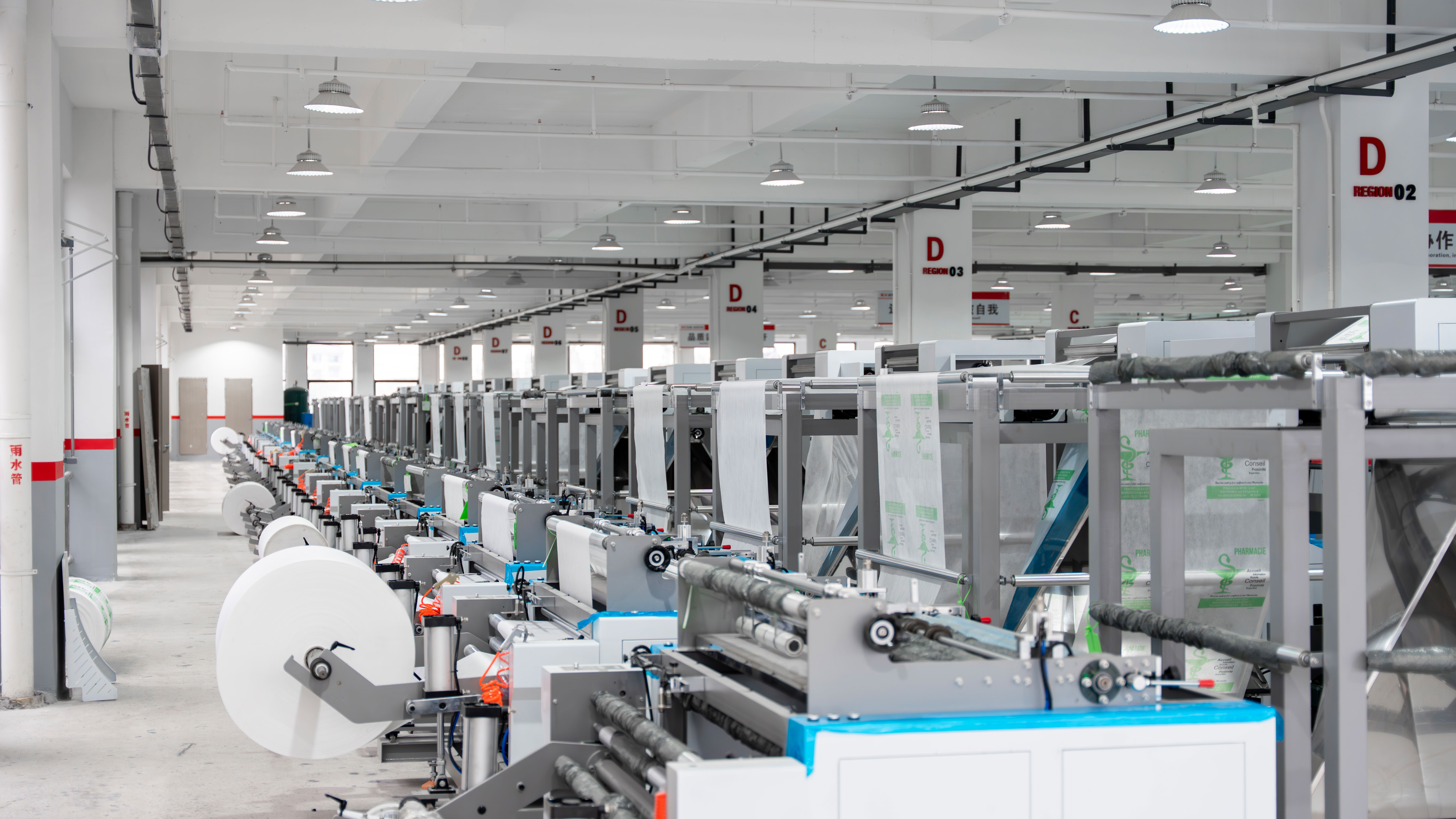
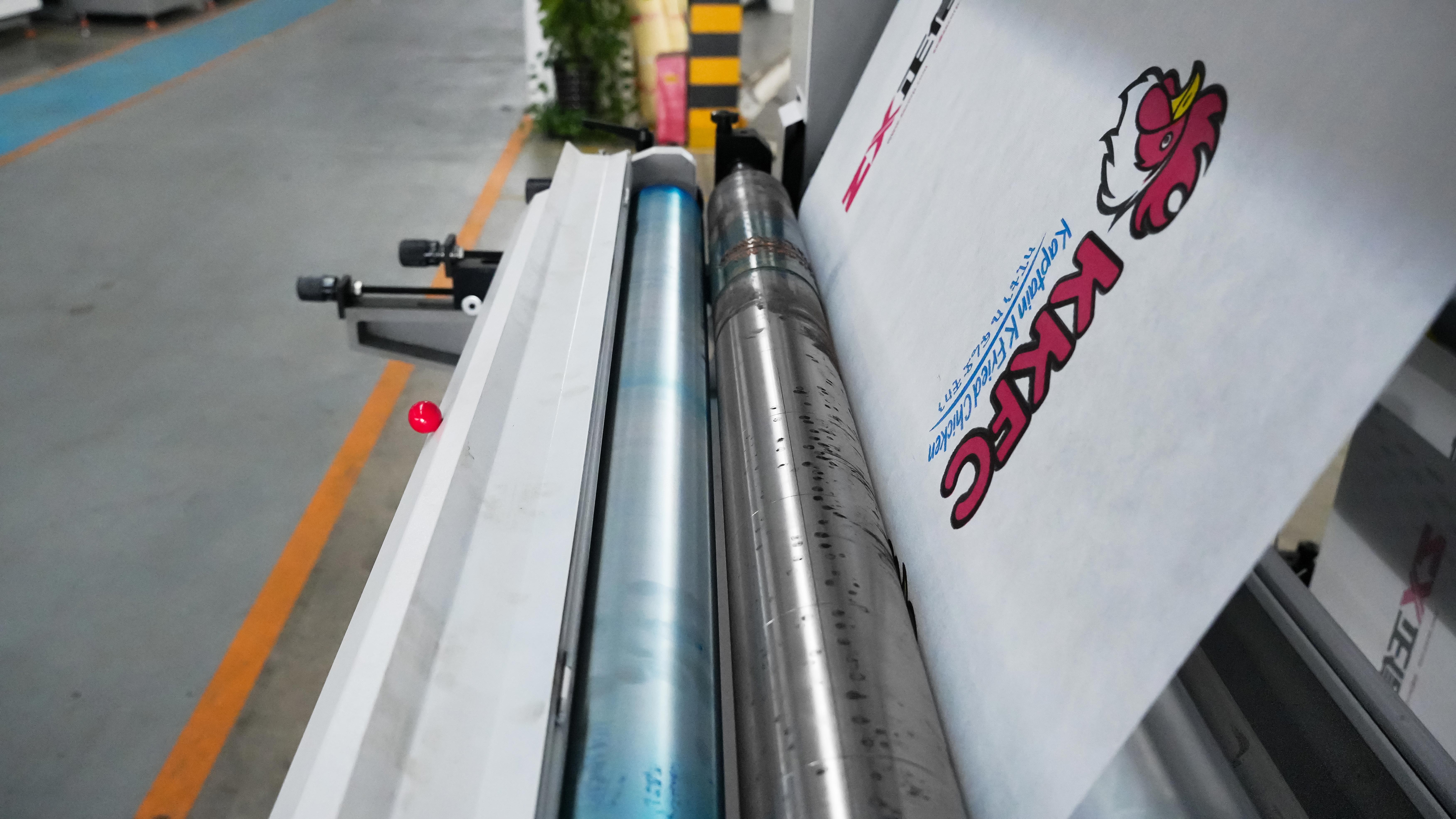
Non-woven bags are used in supermarket retail, takeaway food service, garment packaging, promotional events and other repeat applications. In many projects, a flexo non woven bag printing machine prints roll-to-roll PP spunbond fabric, and the printed roll then moves into bag making or is supplied as printed roll stock. The printing machine controls ink transfer, tension, registration and drying. The bag-making machine controls folding, sealing, cutting and handle attachment. A defect that appears on the finished bag can originate in either stage.
This is why a long-term partnership FAQ should not treat printing-machine installation as an isolated event. The acceptance criteria for a 2-color flexo non woven bag printing machine, a 4-color flexographic non woven bag printing machine or a high-speed roll-to-roll model must include print registration and tension stability. If the buyer also operates bag making, the acceptance sequence should include seal inspection and a clear troubleshooting path for weak seals. The distinction matters because a printing machine does not create the bag seal; the sealing station does.
Detailed solution: a documented long-term partnership model
The workable model has five parts: installation support, purchasing and acceptance documentation, warranty and remote after-sales, preventive maintenance and spare parts, and production-team planning. Each part should be confirmed in writing before shipment.
1. Installation: remote video guidance is the default, on-site dispatch is the backup
Most installations are completed by the buyer’s team with remote video support. Zhengxin engineers guide the process in real time through WhatsApp or WeChat video call. The buyer needs one or two people with basic mechanical aptitude, a spirit level, basic hand tools such as wrenches and screwdrivers, a multimeter for electrical verification, and a crane or forklift for lifting the machine off the pallet. A standard single-machine installation typically takes one to two working days; a complex multi-machine line can take three to five days.
Before the machine arrives, the site should have a level concrete floor with clearance on all sides, a verified three-phase power supply at the correct voltage, an industrial air compressor with air dryer and tank, a voltage stabilizer where grid power fluctuates, and the initial PP spunbond fabric ready. For a printing machine, the electrical check is especially important: confirm voltage, frequency and phase against the nameplate before connecting power. Wrong voltage can damage the PLC, servo drives and control electronics, and that damage is not a warranty event.
If remote guidance is insufficient, an on-site engineer can be dispatched. The documented service basis is a $100/day service fee plus airfare and accommodation. The same after-sales guidance notes that more than 90% of installations are completed successfully through remote guidance. For importers and distributors, this means the default plan should be remote commissioning with a local electrical assistant, while keeping on-site dispatch as a defined contingency rather than an assumed cost.
2. Purchasing terms and acceptance criteria
Standard purchasing terms are 30% deposit by T/T to confirm the order and 70% balance before shipment after passing pre-shipment inspection. Letters of credit at sight are accepted for orders above $50,000. Standard production lead time is 25–35 working days for standard models; customized configurations add about 5–10 working days. Sea freight adds 15–45 days depending on destination. These terms should be written into the sales contract together with the machine model, voltage, color count, certification requirements and spare-parts list.
Acceptance should happen in two stages. The first is factory acceptance before crating. Each completed machine runs a continuous four-hour production test, with sample output inspected for seal strength where applicable, print registration and dimensional accuracy. The factory is ISO 9001:2015 certified, and machines are CE certified under the Machinery, Low Voltage and EMC Directives. Third-party inspection by SGS, Bureau Veritas, CCIC or the buyer’s agent can be arranged before shipment.
The second stage is site acceptance during commissioning. A practical sequence is: dry-run test without fabric to verify smooth movement and no unusual noise; low-speed run with fabric to produce an initial batch; inspection of print registration, tension, drying and bag dimensions; speed ramp-up in stages; and operator training under supervision. For bag-making lines, the commissioning is complete when the operator can independently produce quality bags at production speed. For a printing machine alone, the equivalent benchmark is stable registration and consistent print quality at the agreed production speed.
3. Warranty, remote support and English documentation
New Zhengxin machines include a 12-month full warranty. The warranty should be read together with the installation and voltage requirements, because damage from incorrect power connection is treated as user error rather than a manufacturing defect. The after-sales system is direct factory support, not a dealer layer. That matters for spare-parts pricing: the buyer deals with the factory, so there is no third-party dealer markup on parts and service.
Remote support is available seven days a week through WhatsApp and video call, with a response target within 24 hours. The engineering team reports that more than 80% of issues can be diagnosed and resolved remotely. English documentation includes the operation manual, electrical wiring diagram, PLC parameter settings and a troubleshooting guide with common error codes. This documentation is part of the acceptance package, not an optional extra, because it allows the buyer’s technician to resolve routine issues without waiting for an international dispatch.
When a replacement part is needed, spare parts are shipped by DHL or FedEx within 24 hours of confirmed diagnosis, with delivery typically in 3–7 days. A recommended spare-parts kit for one year of consumables is commonly in the $500–$1,500 range. The most common cause of extended downtime is not a major failure; it is waiting for a low-cost sensor or belt that should have been stocked locally.
4. Preventive maintenance and the two-week training program
Preventive maintenance should begin on the first production day. Daily checks include cleaning fabric dust from rollers and photocell lenses, draining water from the air compressor tank, wiping the ultrasonic horn and anvil where a bag-making line is used, inspecting the fabric path, and testing emergency stops. Weekly checks include greasing specified points, checking belt tension, inspecting pneumatic hoses for leaks and cleaning the electrical cabinet air filter. Monthly checks include inspecting the ultrasonic horn for wear, checking cutting-blade sharpness, verifying safety guards and backing up PLC parameters. Quarterly checks include professional inspection of electrical connections and the ultrasonic generator output.
The long-term partnership training plan is a two-week program. It should cover safe start-up and shutdown, recipe recall, fabric threading, registration calibration, basic alarm response and preventive maintenance. For importers and distributors planning ongoing production, a practical staffing benchmark is one operator per two machines and one technician per 10–15 machines. That ratio allows one technician to cover routine checks, spare-parts replacement and first-line troubleshooting across a small fleet without every site needing a full-time engineer.
5. Weak or inconsistent bag seals: diagnose the sealing station, not the printing head
Weak or inconsistent bag seals that cause splitting are a sealing-station issue. On an inline printing and bag-making line, the printing machine controls print quality; the bag-making machine controls the ultrasonic or heat-seal weld. If finished bags peel open, the first step is to stop adjusting print parameters and inspect the sealing system.
Three root causes cover most cases. First, the ultrasonic horn or anvil may be contaminated with melted fabric residue; clean the horn and anvil with isopropyl alcohol and a lint-free cloth. Second, the horn-to-anvil gap may be uneven or incorrect; use the supplied feeler gauge to verify the gap across the full horn width. For 70 GSM fabric, the documented reference gap is 0.3–0.5 mm and should be even within 0.05 mm. Third, amplitude or speed may be mismatched to the fabric. If fabric GSM was increased or line speed was raised without adjusting ultrasonic parameters, increase amplitude in 5% steps or reduce speed by 10–15% and retest.
After any adjustment, run 20 test bags and pull-test five. A correct seal should tear the fabric rather than peel apart at the weld line. If the problem persists after cleaning, gap verification and amplitude testing, inspect the horn surface for pitting or uneven wear. A worn horn should be replaced; continued use can produce progressively worse seals and may damage the anvil.
Step-by-step breakdown for a long-term buyer
- Define the application and model. Confirm bag type, fabric GSM, print colors and daily output. A 2-color flexo non woven bag printing machine may cover simple retail logos; a 4-color flexographic model gives more design headroom. Screen printing models suit different print requirements and should be compared on their own specifications.
- Confirm voltage, frequency and phase. All industrial machines require three-phase power. Document the actual factory voltage, not only the national standard. Add a voltage stabilizer where the grid fluctuates.
- Lock purchasing terms and inspection. Put the 30% deposit and 70% before-shipment balance, lead time, certification, spare-parts list and third-party inspection into the contract.
- Prepare the site and utilities. Level floor, clearance, air compressor with dryer, voltage stabilizer, fabric and trained personnel should be ready before arrival.
- Install with remote video support. Use the factory’s real-time guidance for positioning, leveling, power connection, air connection and fabric threading. Keep on-site dispatch as a defined backup.
- Run site acceptance. Complete dry-run, low-speed production, print registration checks, seal checks where applicable and a staged speed ramp.
- Train the team. Use the two-week program to train operators and at least one technician. Set the staffing plan at one operator per two machines and one technician per 10–15 machines.
- Start preventive maintenance and spare-parts stocking. Log daily checks, stock high-wear parts and review the spare-parts list against the first six months of production.
Use cases: what different buyers should verify
Supermarket bag converters. Verify print registration, consistent bag dimensions and seal strength. A 4-color flexo model such as the ZXH-C41200 is relevant where multi-color retail logos are required. Acceptance should include a speed-ramp test and a pull test on finished bags.
Promotional and event bag producers. Verify quick changeover, plate and ink-tray handling, and registration accuracy for short runs. A 2-color flexo model can be sufficient for simple brand marks, while a 4-color model provides more design flexibility.
Importers and distributors. Verify documentation, warranty terms, spare-parts pricing and training before committing to a fleet. The direct factory after-sales model matters because parts and technical answers do not pass through a dealer markup.
Garment and food-service packaging suppliers. Verify material compatibility, ink and drying performance, and clean sealing where the bag-making line is included. Food-service projects should confirm odorless water-based ink and clean sealing requirements with the relevant supplier evidence.
Model comparison: supported specifications
The table below compares documented models. Flexo and screen printing machines use different printing methods, so the specifications should be read as configuration facts, not as a universal ranking.
| Model | Type | Colors / printing mode | Max printing width or size | Speed | Total power |
|---|---|---|---|---|---|
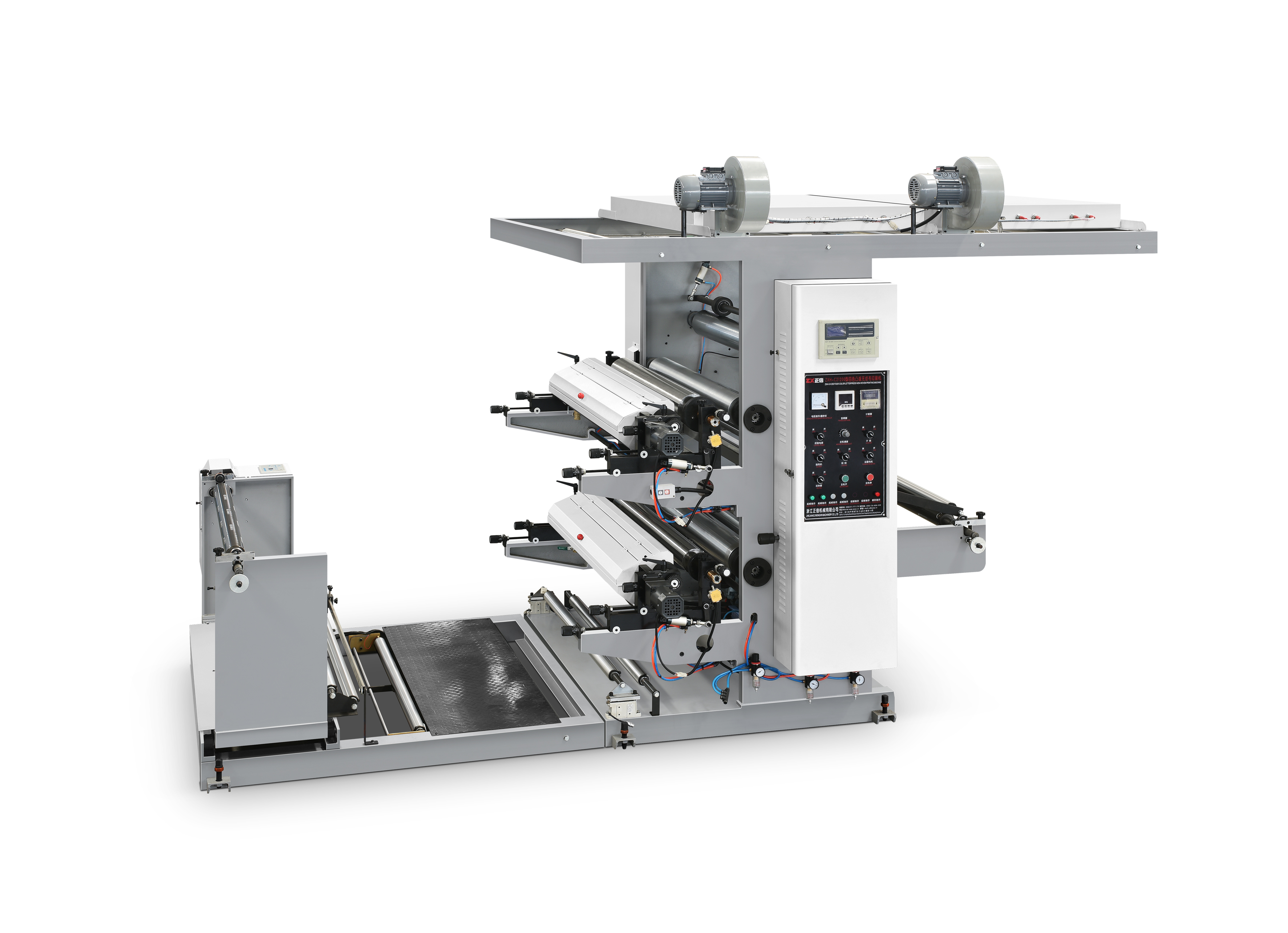
| ZXH-C21200 | Flexo printing machine | 2-color flexo, roll-to-roll | Max printing width 1160 mm | 10–60 m/min | 8 kW |
| ZXH-C41200 | Flexo printing machine | 4-color flexo, roll-to-roll | Max printing width 1160 mm | 10–60 m/min | 18 kW |
| ZXH-A1200 | Screen printing machine | 1-color screen, continuous or intermittent | Max printing size 1100 × 1200 mm | 1500–4000 m/hour | 26 kW |
| ZXH-B1200 | Screen printing machine | 2-color screen, continuous or intermittent | Max printing size 1100 × 1200 mm | 1500–3000 m/hour | 52 kW |
FAQ
Flexo non woven bag printing machine manufacturers: what should importers verify?
Verify the manufacturer’s factory, certifications, component brands, documentation and after-sales process. Zhengxin’s facility is ISO 9001:2015 certified, machines are CE certified, and the company uses Siemens, Delta or Mitsubishi PLCs, Omron sensors and NSK bearings. Ask for a live video factory tour, reference customers and a written spare-parts list. Confirm that English manuals, electrical diagrams and remote support are included before comparing price.
What do I need for installation? Can I set it up myself or do I need an engineer?
Most installations are completed by the buyer’s team with remote video support. You need one or two people with basic mechanical aptitude, a spirit level, hand tools, a multimeter, and a crane or forklift. The site should have a level floor, verified three-phase power, an air compressor with dryer, a voltage stabilizer if needed, and fabric ready. Installation usually takes one to two working days. On-site engineer dispatch is available at $100/day plus airfare and accommodation if remote guidance is insufficient.
What are the standard purchasing terms and lead times?
Standard terms are 30% deposit by T/T and 70% before shipment after pre-shipment inspection. Letters of credit at sight are accepted above $50,000. Standard production lead time is 25–35 working days; customization adds about 5–10 working days. Sea freight adds 15–45 days depending on destination. Confirm voltage, certification and inspection requirements in the contract.
What acceptance tests should be completed before full production?
Complete a dry run without fabric, then a low-speed run with fabric, inspect print registration and tension, check bag dimensions and seal quality where the line includes bag making, and ramp up in stages. At the factory, each machine runs a continuous four-hour production test before shipment. Third-party inspection by SGS, Bureau Veritas or CCIC can be arranged. Commissioning is complete when the operator can independently produce quality output at production speed.
What does the 12-month full warranty and after-sales support include?
New machines include a 12-month full warranty. Remote support is available seven days a week by WhatsApp and video call, with a response target within 24 hours; engineers report that more than 80% of issues are resolved remotely. English manuals, electrical wiring diagrams, PLC parameters and a troubleshooting guide are provided. Spare parts ship by DHL or FedEx within 24 hours of confirmed diagnosis and typically arrive in 3–7 days. Support is direct from the factory, with no dealer markup on parts and service.
How do I fix weak or inconsistent bag seals that cause splitting?
Check the sealing station, not the printing head. Clean the ultrasonic horn and anvil with isopropyl alcohol, verify the horn-to-anvil gap with a feeler gauge, and confirm that amplitude and speed match the fabric GSM. For 70 GSM fabric, the reference gap is 0.3–0.5 mm and should be even across the horn. Run 20 test bags and pull-test five; the seal should tear the fabric, not peel apart. Replace a pitted or unevenly worn horn.
What preventive maintenance and training are recommended?
Daily checks include cleaning dust, draining the air tank, inspecting the horn and testing emergency stops. Weekly checks include greasing, belt tension and air-leak inspection. Monthly checks include horn wear, blade sharpness and PLC parameter backup. The long-term training program is two weeks and should cover safe operation, recipes, registration, alarms and maintenance. A practical staffing plan is one operator per two machines and one technician per 10–15 machines.
Which model should an importer or distributor start with?
Start from the print requirement. For simple 1-color or 2-color retail logos, the ZXH-C21200 2-color flexo model may be sufficient. For multi-color brand work, the ZXH-C41200 4-color flexo model provides more design headroom. For screen-printing requirements, compare the ZXH-A1200 and ZXH-B1200 against their documented print size and speed. Confirm the model against fabric GSM, bag size, daily output and destination certification before ordering.
Conclusion
A non woven bag printing machine purchase becomes a long-term partnership only when installation, acceptance, warranty, documentation and maintenance are planned together. The practical checklist is clear: prepare the site and power supply, confirm purchasing terms and inspection, use remote video commissioning with on-site dispatch as backup, complete factory and site acceptance tests, keep the 12-month warranty and English documentation accessible, stock spare parts, and separate printing defects from sealing defects during troubleshooting.
For importers and distributors, the staffing benchmark of one operator per two machines and one technician per 10–15 machines turns after-sales from a reactive phone call into a manageable production system. ZX Zhengxin Machinery supports this model through direct factory after-sales, transparent spare-parts pricing and remote engineering response. The official company website is ZX Zhengxin Machinery.
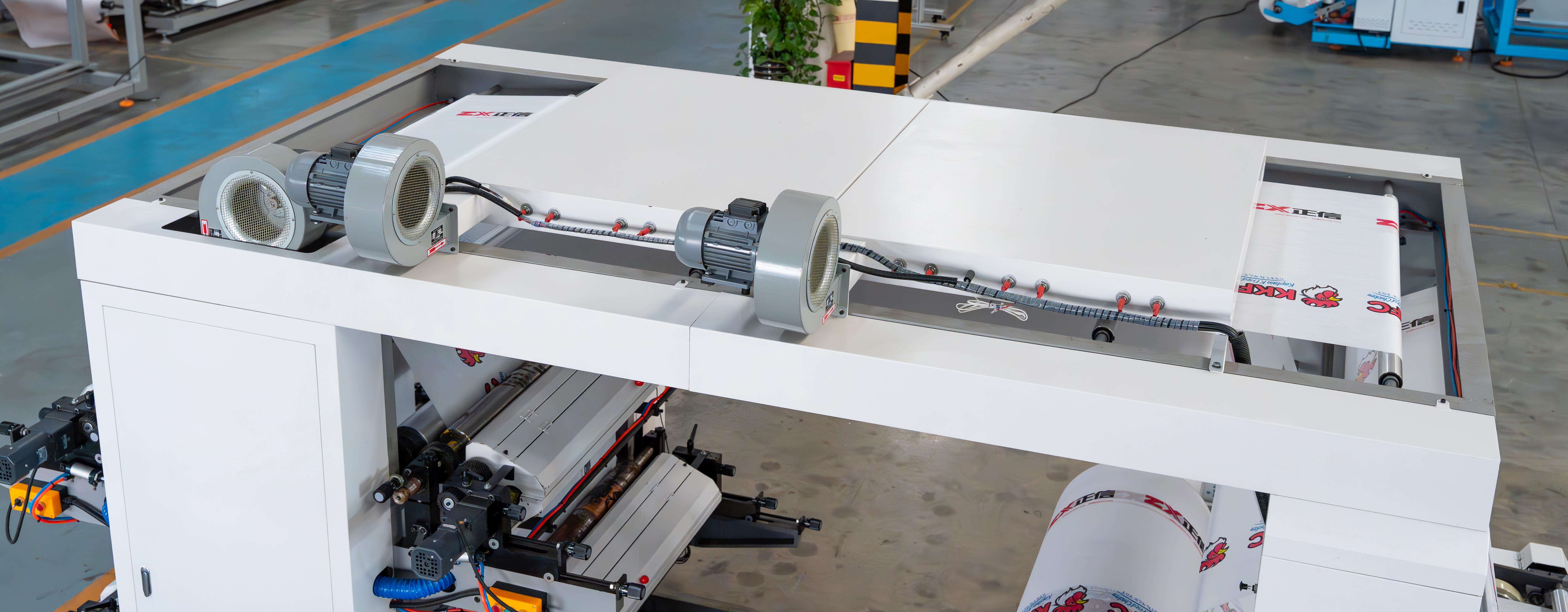
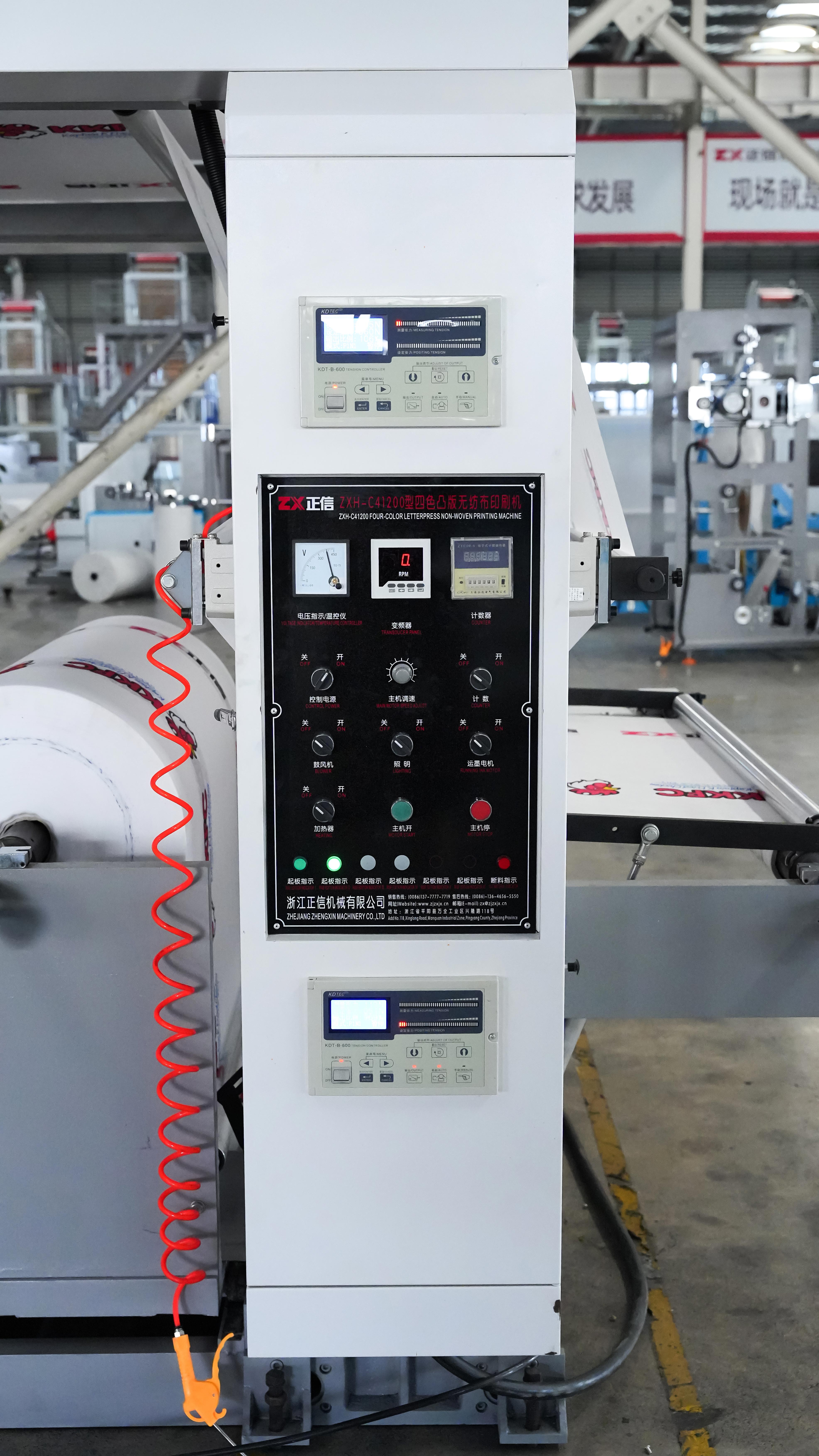
Planning a printing-machine installation or distributor fleet? Use the documented model specifications, acceptance sequence and spare-parts list to compare configurations before ordering. The current Zhengxin product brochure can be downloaded here: Zhengxin product brochure.
Have Questions or Need More Details?
Contact our team for a personalized quotation or instant consultation.
Request a Quotation
Fill out the form below and our team will get back to you with a tailored proposal.
WhatsApp Direct Chat
Prefer to chat in real-time? Message us on WhatsApp for instant assistance & quick answers.
- Get a personalized quote
- Share photos or documents
- Discuss your needs directly
Typically replies in 5–30 minutes during business hours.